
How Raisins Are Processed with Modern AI Technology
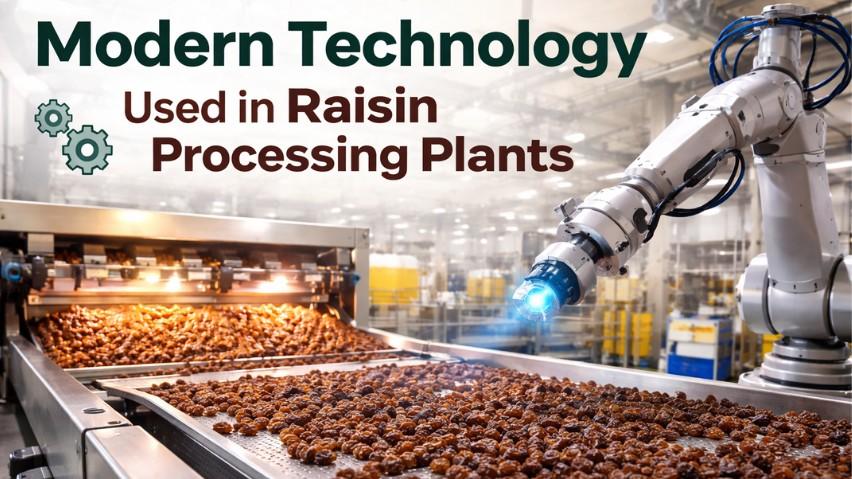
Have you ever wondered how fresh grapes become clean, safe, and export-quality raisins? Behind every premium raisin is a carefully managed process that combines traditional drying methods with modern food processing technology.
Modern raisin-processing AI technology includes cleaning, grading, AI-powered color sorting, moisture control, metal detection, and hygienic packaging. These steps help produce raisins that are safe, consistent, and suitable for food manufacturers, wholesalers, retailers, and global buyers.
In this blog, you'll learn how raisins are processed step by step, the technologies used in modern raisin processing plants, and how these innovations help deliver high-quality raisins for domestic and international markets.
What Is Raisin Processing?
Raisin processing is the complete process of turning fresh grapes into clean, ready-to-eat dried raisins. It includes drying, cleaning, sorting, grading, quality testing, and packaging to ensure the raisins meet food safety and quality standards.
Modern processing does more than improve appearance. It helps maintain natural sweetness, removes unwanted materials, controls moisture, and ensures every batch is suitable for commercial food production.
For businesses that buy raisins in bulk, proper processing means better product quality, longer shelf life, and fewer production issues.
How Raisins Are Processed: Simple Steps
Every stage of raisin processing plays an important role in delivering a safe and consistent product.
Step 1. Grape Selection
The process starts with selecting fully ripened grapes from trusted farms. Healthy grapes produce raisins with better sweetness, color, and texture.
Step 2. Natural Drying
The grapes are naturally sun-dried or processed using controlled drying methods. During this stage, moisture is reduced while preserving the grapes' natural sugars and flavor.
Step 3. Cleaning
After drying, raisins are cleaned to remove dust, stems, leaves, and other unwanted materials collected during harvesting and drying.
Step 4. Sorting and Grading
The raisins are sorted based on size, color, and overall quality. Uniform grading helps food manufacturers maintain consistency in their products.
Step 5. Quality Inspection
Each batch is checked for moisture levels, cleanliness, and food safety before moving to packaging.
Step 6. Packaging
Finally, the raisins are packed in food-grade packaging designed to protect freshness during storage and international shipping.
Modern Technologies Used in Raisin Processing
Today's raisin processing plants use advanced technologies to improve product quality, food safety, and production efficiency.
AI-Powered Color Sorting
AI-powered sorting machines inspect every raisin individually. They identify color differences and remove damaged, discolored, or defective raisins with high accuracy.
This technology helps maintain consistent product quality while reducing manual inspection errors.
Optical Sorting Technology
Optical sorting systems use high-speed cameras and sensors to separate raisins based on color, shape, and size. This improves batch consistency and ensures a cleaner final product.
Metal Detection Systems
Metal detectors scan every production batch before packaging. This extra safety step helps remove any accidental metal particles and supports international food safety standards.
Moisture Control
Maintaining the right moisture level is essential for preserving freshness and preventing spoilage. Modern equipment monitors moisture throughout processing to improve shelf life and storage stability.
Hygienic Processing Equipment
Food-grade processing lines are designed to reduce contamination risks and maintain cleanliness throughout production. This helps produce raisins that meet the requirements of domestic and export markets.
Why Modern Technology Matters
Modern raisin-processing AI technology helps deliver more than just clean raisins. It improves consistency, reduces waste, supports food safety, and ensures reliable quality for commercial buyers.
For bakery manufacturers, consistent raisin size improves baking performance. For chocolate producers, clean and uniform raisins enhance product appearance. Exporters also benefit because properly processed raisins meet the quality standards required in international markets.
Modern technology allows manufacturers to produce raisins that are safer, more consistent, and better suited for today's food industry.
Traditional vs Modern Raisin Processing
Modern technology has transformed how raisins are processed. Compared to traditional methods, advanced processing improves food safety, product consistency, and export quality.
|
|
|
|
|
|
|
|
|
|
|
|
|
|
|
|
|
|
|
|
|
|
|
|
|
|
|
|
Why Modern AI Technology Is Important for Export-Quality Raisins
For global buyers, quality goes beyond appearance. Modern raisin processing technology helps ensure that every batch meets international food safety and quality standards.
Advanced processing offers several benefits:
- Consistent size, color, and texture
- Better food safety through hygienic handling
- Lower risk of foreign materials and defects
- Improved shelf life with controlled moisture
- Reliable quality for bakery, confectionery, and food manufacturing
These advantages help importers, wholesalers, and manufacturers reduce product rejection and maintain consistent production.
How NR Farm Product Uses Modern Raisin Processing AI Technology
At NR Farm Product, quality begins with carefully selected grapes sourced from trusted farms in Nashik, one of India's leading raisin-producing regions. Every batch is processed using modern equipment to preserve its natural sweetness, texture, and freshness.
Our processing line includes cleaning, grading, AI-powered color sorting, moisture control, and quality inspection to ensure uniformity in every shipment. We also use food-grade packaging that protects the raisins during storage and long-distance transportation.
As a trusted raisin exporter in India, NR Farm Product supplies premium raisins to buyers in Nigeria, Senegal, Kenya, Oman, Vietnam, and other international markets. Our focus on quality, reliable supply, and export-ready documentation helps businesses source raisins with confidence.
Why Businesses Choose Modern Raisin Suppliers
Businesses today need more than just a supplier; they need a reliable partner. Modern processing technology helps suppliers deliver raisins that meet the quality expectations of food manufacturers, retailers, wholesalers, and exporters.
Choosing a supplier that invests in advanced processing can help your business:
- Maintain consistent product quality
- Reduce production issues
- Meet food safety requirements
- Improve customer satisfaction
- Build long-term supply chain reliability
Conclusion
Modern raisin processing AI technology plays an important role in producing clean, safe, and export-quality raisins. From grape selection and natural drying to AI-powered sorting and hygienic packaging, every step helps improve consistency and food safety.
If you're looking for premium raisins for bakery products, chocolates, cereals, snacks, or food manufacturing, choosing a supplier with advanced processing capabilities can make a significant difference. With modern technology, strict quality control, and global export experience, NR Farm Product delivers raisins that businesses can trust.
If you are looking for export-quality raisins in bulk. Contact NR Farm Product today for bulk orders and a customized quote.
FAQs
1. What is used to preserve raisins?
A sulfur dioxide treatment is often used to preserve the color and flavor of raisins.
2. How can we preserve dry fruits for a long duration?
Store dry fruits in airtight containers in a cool, dry place or refrigerate them. Keep them away from moisture, heat, and direct sunlight.
3. How many years do raisins last?
Raisins can last up to 6-12 months at room temperature and up to 1-2 years when stored in the refrigerator.
4. How are raisins made from grapes?
Raisins are made by drying fresh grapes under the sun or using mechanical drying systems until the moisture is removed.
5. How to stop raisins from sinking?
Coat raisins lightly with flour before adding them to the batter. This helps them stay evenly distributed instead of sinking.