
Golden Raisins Vs. Black Raisins: Which One Is Healthier?
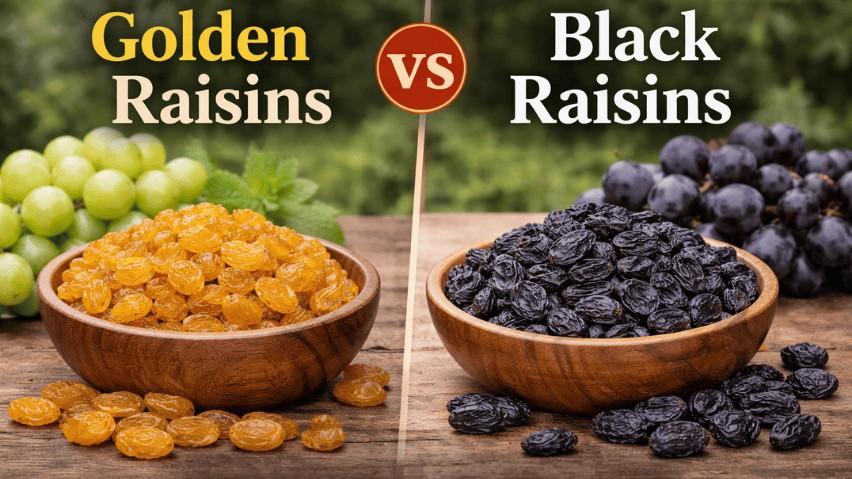
Raisins are one of the most widely consumed dried fruits in the world, used in snacks, bakery products, cereals, desserts, and traditional foods. However, many buyers and consumers still do not fully understand the difference between raisins and black raisins.
Golden raisins and black raisins differ in color, drying methods, texture, taste, and processing techniques. Some consumers prefer the sweeter taste and softer texture of golden raisins, while others choose naturally dried black raisins for their traditional processing and rich flavor.
In this guide, we compare golden raisins vs. black raisins to help buyers understand their differences, health benefits, and market applications.
What Is the Difference Between Raisins and Black Raisins?
The main difference between raisins and black raisins lies in the drying process and appearance. Here are the main differences:
|
|
|
|
|
|
|
|
|
|
|
|
|
|
|
|
|
|
|
|
|
|
|
|
|
|
|
|
Golden raisins are often chosen for appearance and texture, while black raisins are popular for their traditional flavor and natural processing.
How Golden Raisins and Black Raisins Are Processed
Golden raisins are commonly dried in controlled environments to maintain color consistency and softness. This processing method gives them a shiny golden appearance preferred in bakery and confectionery applications.
Natural black raisins are mostly sun-dried using traditional drying methods. This process creates a darker color, slightly chewy texture, and deeper flavor profile.
At NR Farm Products, export-quality varieties such as Sonaka raisins, Malayar raisins, premium black raisins, Nashik golden raisins, and industrial raisins are processed under hygienic conditions for domestic and international markets.
Benefits of Golden Raisins
Golden raisins are widely used in premium food applications because of their appearance, sweetness, and soft texture.
Some common golden raisin benefits include the following:
- Naturally sweet taste
- Soft texture suitable for bakery products
- Attractive golden appearance
- Popular in cereals, desserts, and confectionery
- Convenient for retail packaging and food manufacturing
Nashik golden raisins are especially preferred in export markets due to their uniform quality and premium appearance.
Benefits of Black Raisins
Black raisins are increasingly preferred by consumers looking for naturally processed and traditional dried fruits.
Some important black raisin benefits include the following:
- Naturally sun-dried processing
- Rich flavour and chewy texture
- Minimal processing methods
- Popular in traditional foods and healthy snacks
- Suitable for clean-label food products
Premium black raisins and Malayar raisins are commonly supplied to international buyers looking for natural and export-grade raisin varieties.
Must Read: Health Benefits of Raisins: Why You Should Eat Them Daily
Which Raisin Variety Is Best for Export Markets?
Different raisin varieties are preferred in different international markets.
Golden raisins are widely used in:
- Bakery industries
- Retail snack packaging
- Premium confectionery products
Black raisins are commonly preferred in:
- Traditional food markets
- Natural food products
- Health-focused snack categories
At NR Farm Products, we supply export-quality Sonaka raisins, Thomson raisins, brown raisins, premium black raisins, and industrial raisins to buyers across Africa, the Middle East, and Asian markets.
Why Buyers Prefer Naturally Processed Raisins
Global demand for clean-label food products is increasing rapidly. Consumers are now paying closer attention to ingredient labels and processing methods.
Naturally processed raisins are becoming popular because they are associated with:
- Minimal processing
- Traditional drying methods
- Natural appearance
- Better ingredient transparency
This growing preference has increased demand for sulphur-free raisins and naturally dried black raisins in both retail and B2B markets.
Must Read: How Indian Raisins Are Processed for Export Quality?
Quality Factors Buyers Should Check Before Purchasing Raisins
The quality of raisins depends on several important factors, including grape selection, drying methods, moisture control, hygiene standards, and sorting technology.
Importers and bulk buyers should always verify the following:
- Moisture levels
- Product cleanliness
- Uniformity
- Packaging quality
- Export compliance documentation
Reliable suppliers also use advanced sorting systems to maintain product consistency and remove defective berries or foreign materials.
Must Read: 9 Key Factors Importers Should Check Before Buying Raisins
Conclusion
Understanding the difference between raisins and black raisins helps buyers choose the right product for their market and application.
Golden raisins are preferred for their bright appearance and soft texture, while black raisins are valued for their natural drying process and rich flavor. Brown raisins continue to remain a balanced option suitable for multiple food applications.
As demand for naturally processed and export-quality dried fruits grows worldwide, buyers increasingly prefer reliable suppliers that maintain consistent quality and proper processing standards.
FAQs
1. Can golden raisins help with constipation?
Ans: Yes, golden raisins may help with constipation. They contain dietary fiber, which supports healthy digestion and helps improve bowel movements.
2. Black raisins or brown raisins: which is better?
Both are popular choices. Black raisins are preferred for natural processing, while brown raisins are appreciated for balanced sweetness and texture.
3. Which raisins are best for export markets?
The best variety depends on the buyer's requirements. Golden raisins, premium black raisins, Sonaka raisins, and industrial raisins are commonly exported worldwide.
4. Do black raisins have any special nutritional or medicinal properties?
Ans: Black raisins are rich in nutrients such as iron, potassium, fiber, and antioxidants. These nutrients can help support overall health.
Must Read: Black Raisins vs. Yellow Raisins: Which is Healthier?